
Home security is one of the most important responsibilities you have as a homeowner in Great Bridge East and throughout Chesapeake. While many people focus on alarm systems and outdoor lighting, the foundation of your home's security starts with proper lock maintenance and smart key management practices. Understanding basic locksmith safety principles can help protect your family, prevent costly lockouts, and ensure your home remains secure against unauthorized access.
Whether you're a new homeowner or have lived in the 23322 area for years, these essential locksmith safety tips will help you make informed decisions about your home's security and know when to call professional help.
Change Your Locks When You Move Into a New Home
One of the most overlooked security measures is rekeying or replacing locks when moving into a new property. The previous owners, their family members, contractors, real estate agents, and maintenance workers may all have had keys to your home at some point.
Even if you trust the previous owners, you simply cannot account for every copy of the key that might exist. Here's what you should do:
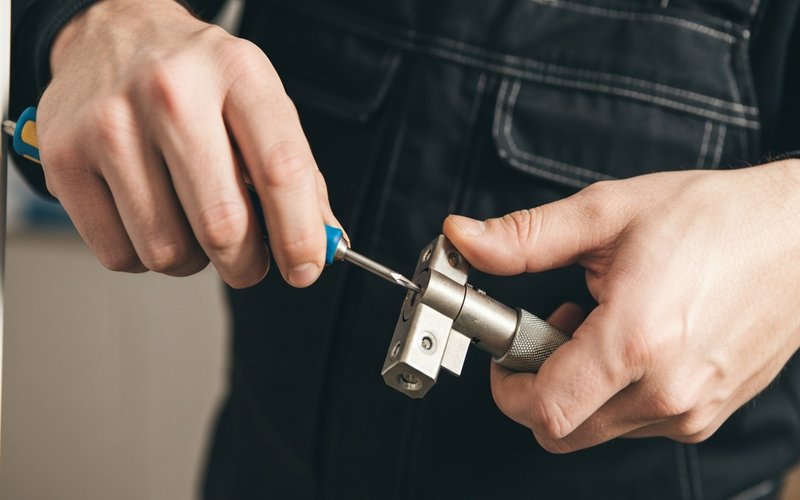
- Rekey all exterior locks immediately after closing on your new home
- Replace locks entirely if they're old, worn, or showing signs of tampering
- Upgrade to high-security locks if your home currently has basic builder-grade hardware
- Consider a master key system for convenience without sacrificing security
Never Hide Spare Keys in Obvious Locations
We've all seen it in movies—keys hidden under doormats, above door frames, or inside fake rocks. The problem? Burglars know about these spots too. These are the first places an intruder will check.
Instead of hiding keys outside your home, consider these safer alternatives:
- Give a spare key to a trusted neighbor or nearby family member
- Install a keyless entry system with secure access codes
- Use a lockbox with a combination lock (change the code periodically)
- Keep a spare key in your wallet for emergencies
Upgrade to High-Security Deadbolts
Not all locks are created equal. The standard doorknob lock that came with your home offers minimal protection against forced entry. A determined burglar can often bypass these locks in seconds using basic tools.
High-security deadbolts provide substantially better protection:
- Grade 1 deadbolts meet the highest ANSI/BHMA standards for residential security
- One-inch throw bolts extend deep into the door frame for maximum strength
- Anti-drill and anti-pick features prevent common break-in techniques
- Reinforced strike plates with three-inch screws anchor into wall studs
Implement Proper Key Control and Management
How you manage your keys directly impacts your home's security. Poor key control habits can leave your home vulnerable even with the best locks installed.
Follow these key management best practices:
- Never label keys with your address or any identifying information
- Keep track of who has keys and maintain a written record
- Avoid giving keys to service workers unless absolutely necessary
- Use temporary access methods like smart locks with time-limited codes for contractors
- Account for all keys when ending relationships with employees or service providers
- Rekey locks immediately if you lose a key or suspect it was stolen
Maintain and Inspect Your Locks Regularly
Locks are mechanical devices that require periodic maintenance to function properly. A lock that's sticking, hard to turn, or showing signs of wear can fail at the worst possible time.
Regular lock maintenance includes:
- Lubricate locks twice per year using graphite powder or silicone spray (never WD-40)
- Check for loose screws on strike plates, hinges, and lock hardware
- Test all locks monthly to ensure they're operating smoothly
- Inspect door frames for signs of wear, rot, or damage
- Replace worn keys before they break off inside the lock
Secure All Entry Points, Not Just the Front Door
Most homeowners focus their security efforts on the front door while neglecting other vulnerable entry points. Burglars often target rear doors, garage doors, and first-floor windows because they're less visible from the street.
Create a comprehensive security plan:
- Install deadbolts on all exterior doors, including garage entry doors
- Secure sliding glass doors with secondary blocking devices or security bars
- Add keyed locks to garage doors for additional protection
- Install window locks on all ground-floor windows
- Consider security film for glass panels near door locks
- Reinforce basement windows with window well covers or bars
Know When to Call a Professional Locksmith
While some lock maintenance can be done yourself, many situations require professional expertise. Attempting DIY locksmith work can damage your locks, doors, or security and end up costing more in the long run.
Call a professional locksmith when:
- You're locked out and don't have safe access to your home
- A key breaks off inside a lock (don't try to extract it yourself)
- You need locks rekeyed after moving, losing keys, or a security breach
- You want to upgrade to high-security or smart lock systems
- Locks are damaged or not functioning properly
- You need security assessment and recommendations for your property
Avoid Locksmith Scams and Verify Credentials
Unfortunately, the locksmith industry has its share of unscrupulous operators who take advantage of people in emergency situations. These scammers often quote low prices over the phone, then dramatically increase costs once they arrive.
Protect yourself by:
- Research locksmiths before an emergency and save contact information
- Verify business addresses and ensure they're local to Chesapeake
- Ask for identification and proof of licensing when they arrive
- Get written estimates before any work begins
- Be wary of unmarked vehicles or vague company names
- Check reviews and ratings from verified customers
Consider Upgrading to Smart Lock Technology
Smart locks offer convenience and enhanced security features that traditional locks cannot match. While they require a higher initial investment, many homeowners find the benefits worth the cost.
Advantages of smart locks include:
- Keyless entry eliminates the risk of lost or stolen keys
- Temporary access codes for guests, cleaners, or contractors
- Remote locking and unlocking via smartphone apps
- Activity logs showing when doors were locked or unlocked
- Integration with home security systems for comprehensive protection
- Automatic locking ensures doors are never accidentally left unlocked
How Often Should You Change Your Locks?
Many homeowners wonder about the appropriate frequency for changing or rekeying locks. While there's no universal timeline, certain situations require immediate action.
You should change or rekey your locks:
- Immediately after moving into a new home
- After a break-in or attempted break-in to prevent return visits
- When keys are lost or stolen to maintain security
- After ending relationships with anyone who had keys
- Following home renovations where contractors had access
- Every 5-7 years as preventive maintenance or when locks show wear
- When roommates move out or household members change
Frequently Asked Questions
How much do locksmiths usually charge?
Locksmith costs vary based on the service required and time of day. Standard lock rekeying typically ranges from $80-$160, while emergency lockout services may cost $150-$250. After-hours, weekend, and holiday services usually include additional fees. High-security lock installations and specialized work cost more but provide better protection.
What locks can locksmiths not open?
Professional locksmiths can open nearly all residential locks, but some high-security locks, electronic safes with proprietary systems, and certain automotive immobilizer systems may require manufacturer involvement. Additionally, locksmiths cannot and will not open locks without proper verification of ownership.
Am I supposed to tip the locksmith?
Tipping locksmiths is not required but is appreciated for exceptional service, especially during emergency situations or after-hours calls. If you choose to tip, $10-$20 is customary for standard services, with higher amounts for complex or emergency work.
Can a locksmith make a new key from a lock?
Yes, professional locksmiths can create new keys directly from the lock cylinder without needing an original key. This process, called "impressioning" or code cutting, is common when all keys are lost or when moving into a property without keys.
How much does a locksmith cost per hour?
Hourly rates for locksmith services typically range from $50-$100 for standard business hours, with emergency or after-hours services costing $100-$150 per hour. Many locksmiths charge service call fees plus labor and materials rather than strict hourly rates.
How often should you change the locks on your house?
Change locks immediately after moving, losing keys, or security breaches. As preventive maintenance, consider rekeying or replacing locks every 5-7 years, especially if they show signs of wear. Regular maintenance and inspection can extend lock lifespan significantly.
Protect Your Home with Professional Locksmith Services
Your home's security is too important to leave to chance. By implementing these locksmith safety tips, you'll significantly reduce the risk of break-ins, avoid costly lockouts, and ensure your family's protection. Remember that quality locks and proper key management form the foundation of home security.
For homeowners in Great Bridge East and throughout Chesapeake, having a trusted local locksmith is essential. Whether you need emergency lockout assistance, lock rekeying, high-security upgrades, or a comprehensive security assessment, professional help is just a phone call away.
Don't wait until an emergency strikes to think about your home's security. Take proactive steps today to protect what matters most. Contact Chesapeake Prime Locksmith for expert advice, quality products, and reliable service you can trust. Our experienced team is ready to help you implement these safety tips and customize security solutions for your specific needs.
Invest in your peace of mind—your home and family deserve the best protection available.